
The History of Mission Bay
Before Mission Bay became San Diego’s waterfront playground, it was a shifting tidal marsh known as False Bay. Its story moves from Indigenous stewardship and river channels to dredging, public recreation, sailing, paddling, boating, and the modern Mission Bay experience.
Mission Bay was not always the bay we see today.
The modern shoreline, channels, islands, beaches, launch areas, and recreation zones were shaped over time. What feels like a natural waterfront playground today is also a designed landscape built from decades of public planning, dredging, and park development.
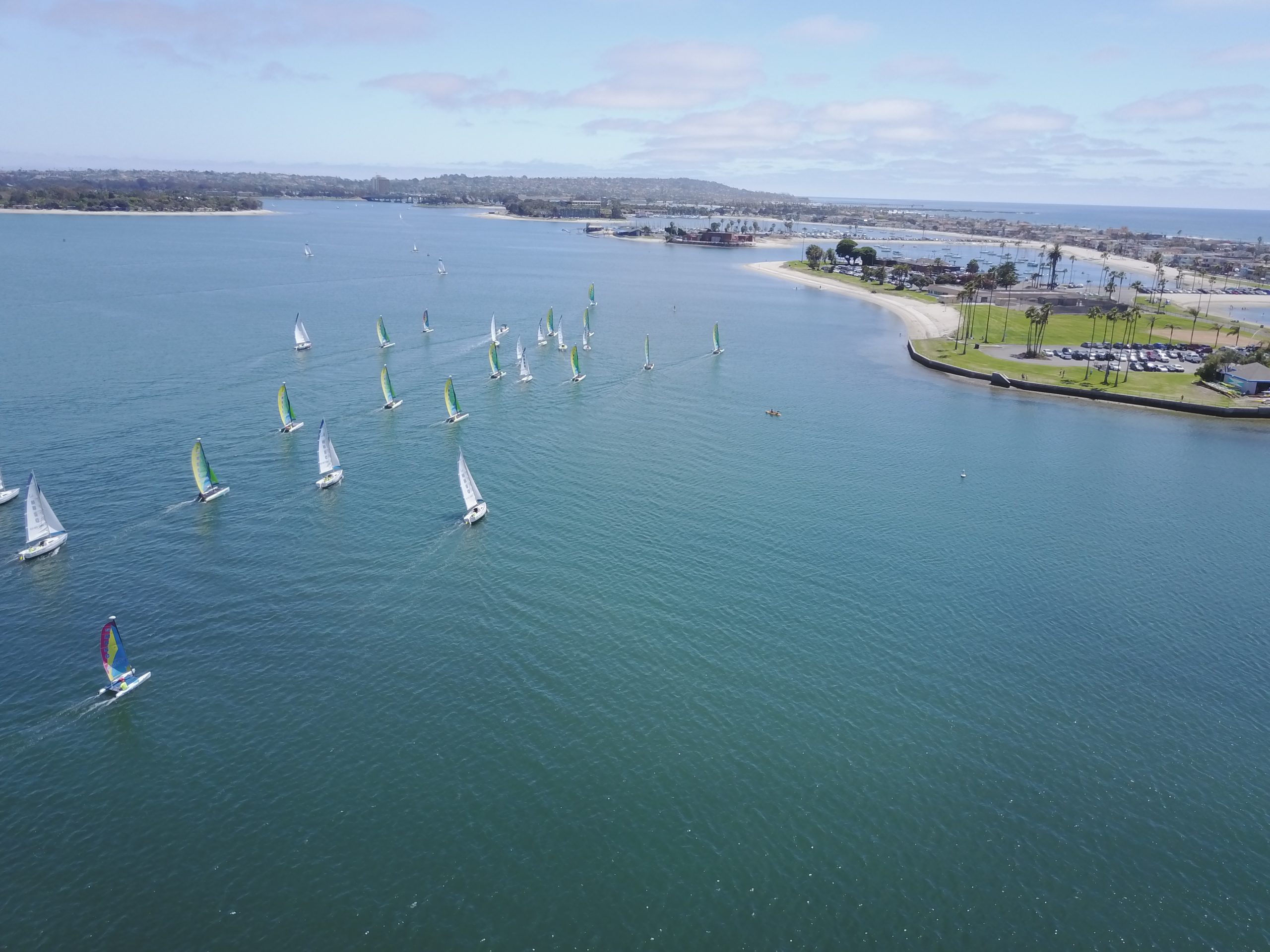
From False Bay to Mission Bay Park.
A quick, visitor-friendly look at the major eras that turned a tidal wetland into one of San Diego’s most recognizable water recreation destinations.
Kumeyaay connection to the marsh.
The Mission Bay marshlands were part of a living coastal landscape used by Kumeyaay communities for thousands of years before European contact. The remaining marsh areas help tell that deeper story of land, water, plants, wildlife, and people.
The bay gets its old name.
City history records identify Mission Bay as a tidal marsh named “False Bay” by Cabrillo in 1542. The name reflected a shallow, shifting area that did not function like the deeper harbor to the south.
The San Diego River is pushed into a new pattern.
The San Diego River historically shifted between San Diego Bay and False Bay. In 1852, a U.S. Army-built dike tried to prevent the river from shifting back toward San Diego Bay, helping shape later flood control decisions.
A new future is proposed.
In 1944, a Chamber of Commerce committee recommended turning Mission Bay into a tourist and recreational center. The idea fit San Diego’s postwar goal of growing beyond a military-heavy economy.
Machines reshape the marsh into a park.
In the late 1940s, dredging and filling began converting the marsh into Mission Bay Park. The City of San Diego notes that about 25 million cubic yards of sand and silt were dredged to create the landforms of the modern park.
The bay becomes San Diego’s waterfront playground.
Mission Bay Park is now described by the City of San Diego as the largest aquatic park of its kind in the country, with more than 4,235 acres, 27 miles of shoreline, sandy beaches, trails, boat facilities, rentals, and public recreation space.
History you can actually ride, paddle, and sail through.
Every rental at Mission Bay Sportcenter launches into a place with a layered story: marshland, river outlet, engineered park, tourism destination, public shoreline, and everyday San Diego playground.

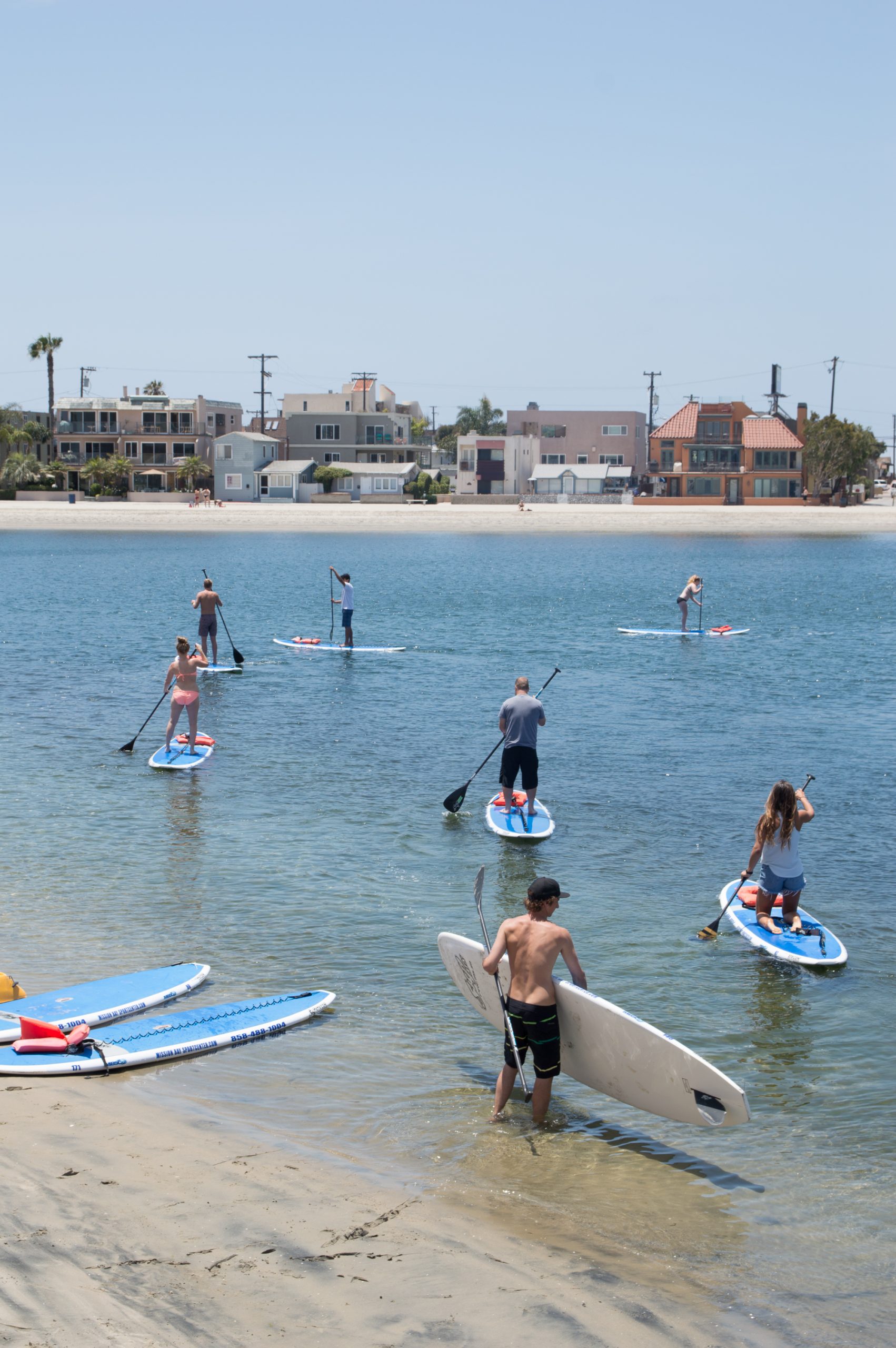
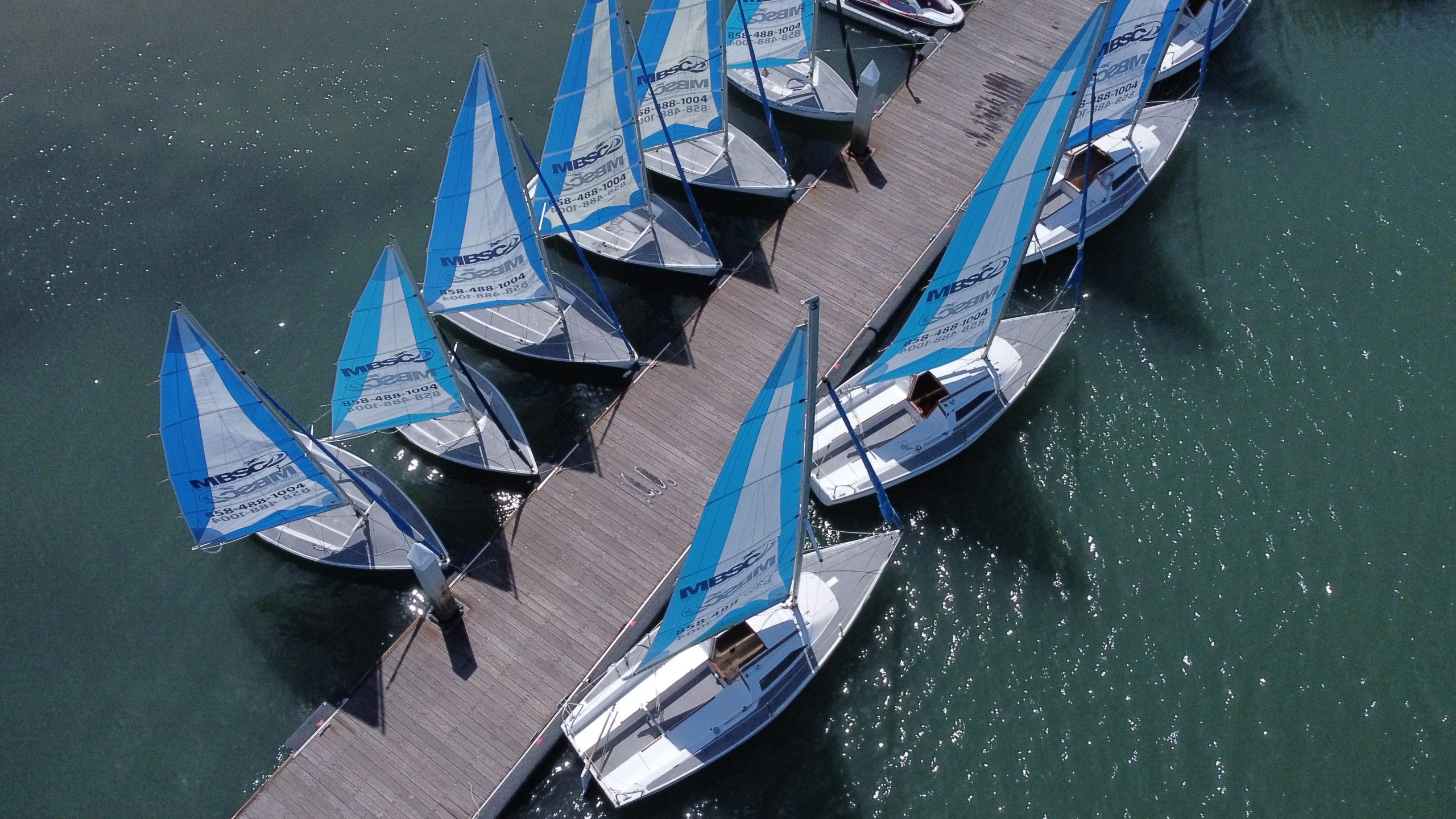
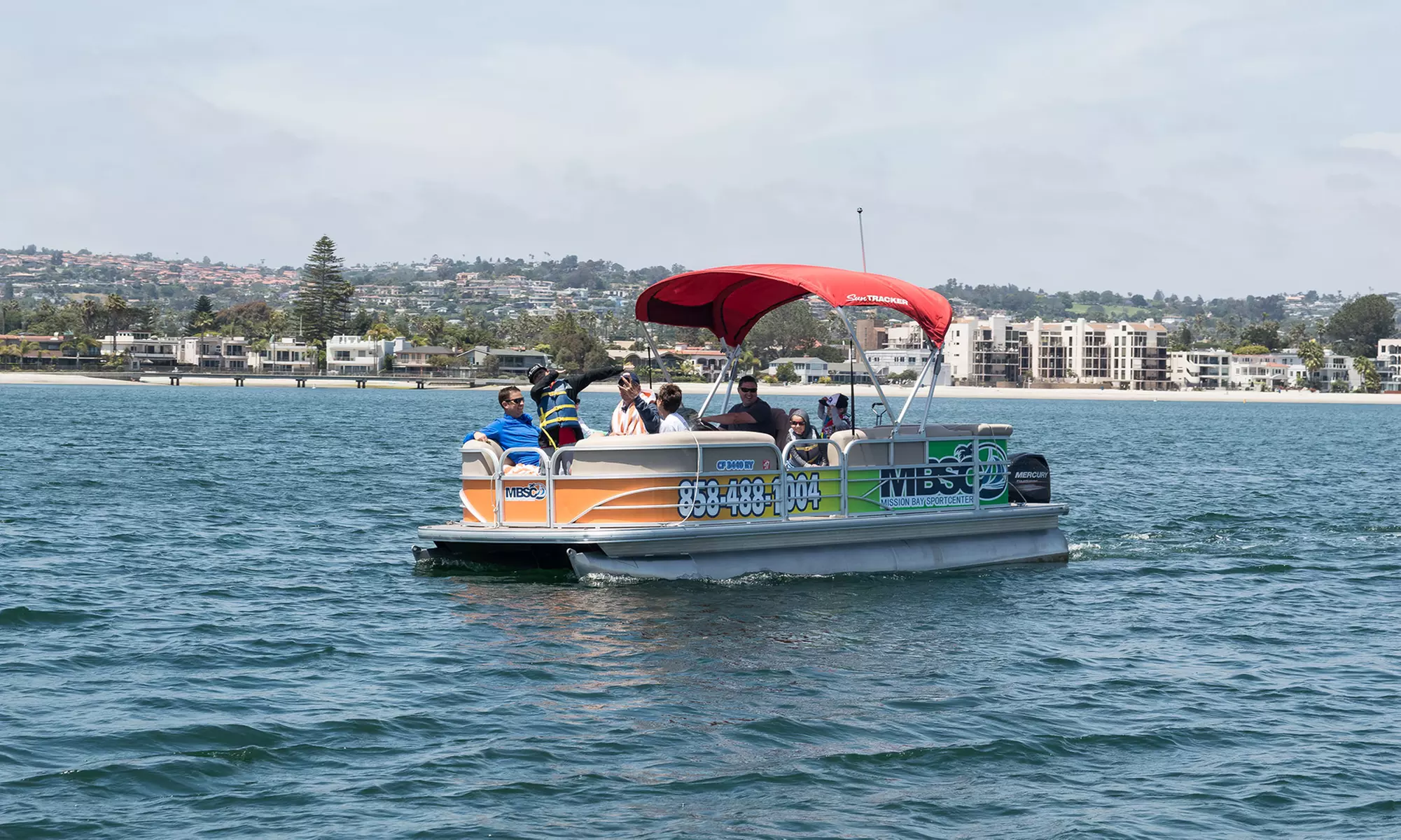
The bay is part nature, part engineering, and part San Diego culture.
Knowing the history makes the experience better. You are not just booking a rental. You are stepping into a shoreline that has changed repeatedly, from marsh to river outlet to planned aquatic park to one of the easiest places in San Diego to get on the water.
Built from local history, public records, and regional research.
This page keeps the story visitor-friendly while grounding the timeline in credible San Diego sources.
Explore the bay that San Diego built for the water.
Book jet skis, pontoons, paddleboards, kayaks, sailboats, and group rentals from Mission Bay Sportcenter and experience the modern version of this historic waterfront for yourself.