
Mission Bay Eco Guide: Wetlands, Birds, Eelgrass & Responsible Recreation.
Mission Bay is one of San Diego’s most active recreation areas, but it is also connected to important coastal habitat. When you rent kayaks, paddleboards, sailboats, pontoons, or jet skis, you are sharing the bay with birds, fish, wetlands, eelgrass beds, shorelines, and protected habitat areas.
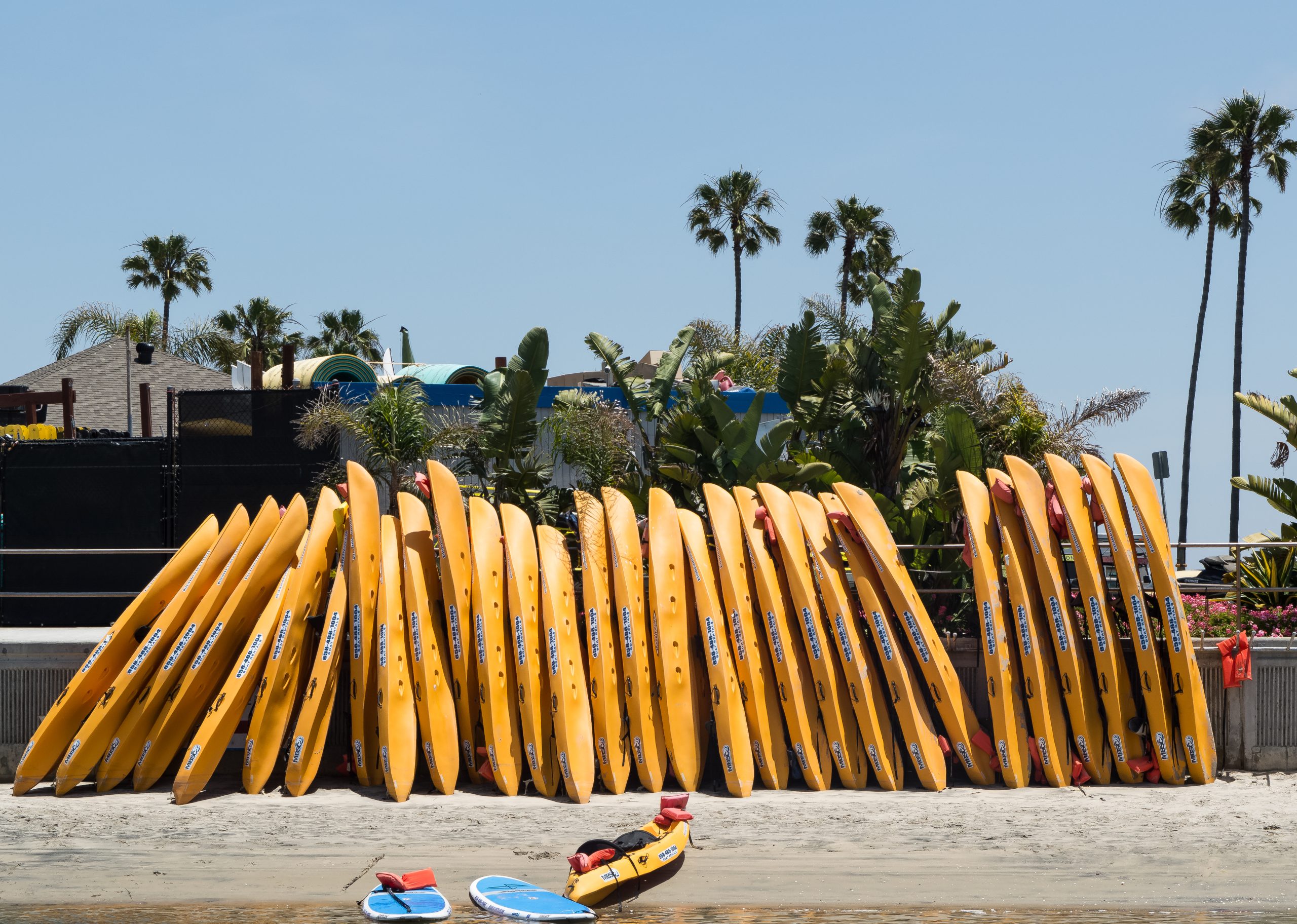 Playground + Habitat
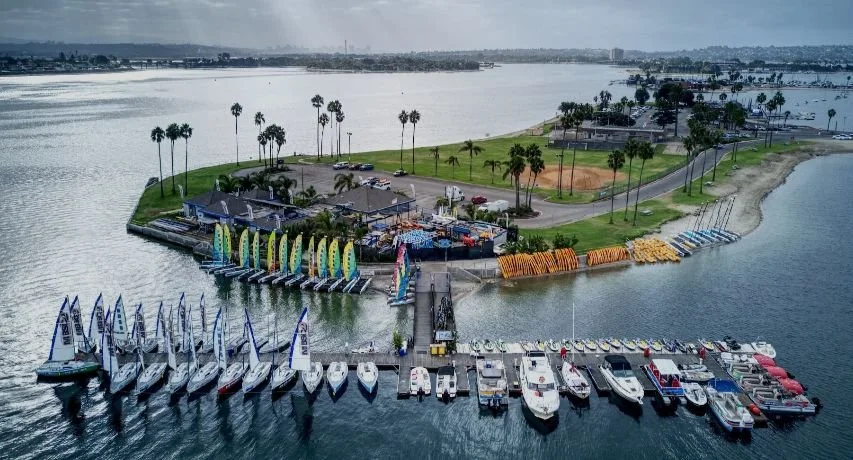 Shorelines Matter
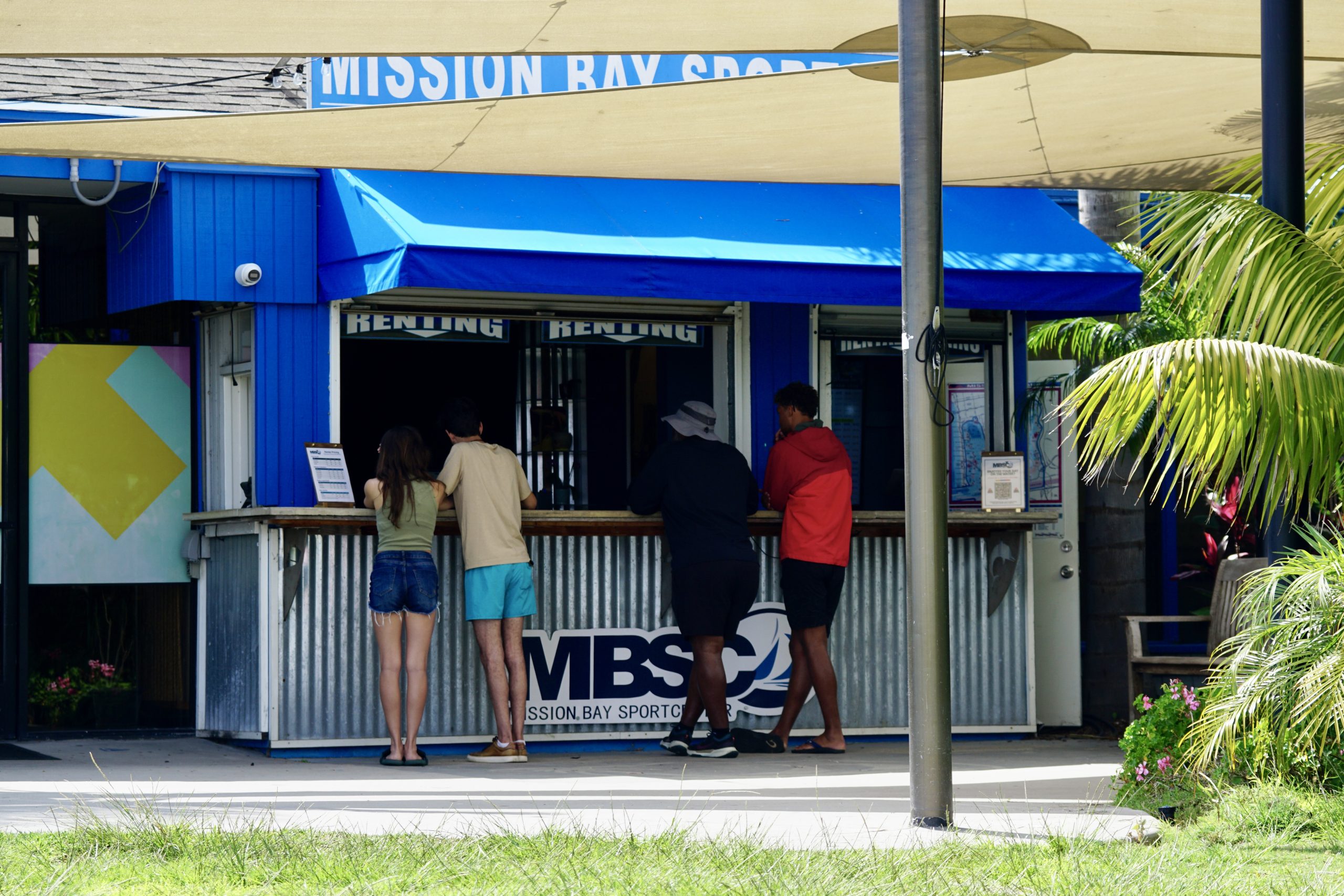 Rent Responsibly
Mission Bay is built for recreation, but it is also part of a living coastal ecosystem.
Calm water, beaches, launch areas, and open bay access make Mission Bay one of San Diego’s most popular places to get outside. At the same time, the bay connects to habitat that supports birds, fish, wetlands, eelgrass beds, mudflats, salt marshes, and shoreline wildlife.
Awareness is part of the experience.
A better bay day starts with knowing that the water is shared with wildlife, habitat, other renters, boaters, paddlers, and shoreline users.
Eelgrass beds are underwater habitat, not empty water.
Eelgrass is a marine plant that grows underwater in shallow coastal areas. It can support fish, small marine life, and feeding relationships that matter to birds and the broader Mission Bay ecosystem.
What eelgrass does
Eelgrass creates structure below the surface, helping support small fish and marine life that use shallow coastal water.
Why it matters
Eelgrass beds can be sensitive to disturbance. Renters should avoid shallow habitat areas and follow staff guidance about where to operate.
Stay in approved areas
Use the areas explained during check-in, follow posted signs, and avoid dragging equipment, anchoring, or operating near sensitive habitat.
Mission Bay supports birds that depend on quiet, protected spaces.
Bird habitat around Mission Bay can include nesting areas, restoration zones, shoreline edges, marshes, mudflats, and places where birds feed or rest. Some areas may be signed, fenced, buffered, or closed seasonally.
Respect nesting areas
California least terns nest in sandy coastal habitat and are sensitive to disturbance. Stay out of closed areas and avoid approaching birds or fenced zones.
Marsh habitat matters
Ridgway’s rail habitat is associated with wetland and marsh areas. Renters should keep distance from habitat edges and follow all posted guidance.
Signs are part of the route
Seasonal nesting awareness, buffers, and closed areas may change. If a sign says stay out, stay out. If staff gives a route, follow it.
Responsible recreation is simple when everyone does the obvious things well.
Mission Bay can stay fun, clean, and accessible when renters respect wildlife, other guests, equipment, shorelines, and habitat boundaries.
Do not litter
Use trash bins and keep wrappers, bottles, cans, and loose items out of the bay.
Keep distance from wildlife
Observe birds and animals from a distance. Do not chase, crowd, feed, or touch wildlife.
Respect closed areas
Stay out of posted, fenced, buffered, or protected habitat areas, even if they look empty.
Follow staff instructions
Staff guidance keeps renters in safe, approved areas and away from sensitive zones.
Return equipment clean
Bring back gear on time and free of trash, food, loose items, and avoidable mess.
Use lockers
Secure belongings so nothing blows into the bay or gets lost during the rental.
Avoid habitat disturbance
Do not drag gear through vegetation, shallow habitat, marsh edges, or protected shorelines.
Share the bay
Stay aware of other paddlers, boats, swimmers, sailors, wildlife, and the shoreline.
Choose the right rental for the way you want to experience Mission Bay.
Every rental can be used responsibly. The best choice depends on group size, comfort level, speed, noise, and whether the goal is quiet exploration, sailing, cruising, or powered recreation.
Pair a watersports day with a responsible Mission Bay recreation briefing.
Planning a school, camp, corporate, or youth group? Ask us about combining a watersports day with a simple responsible recreation briefing so guests understand how to enjoy Mission Bay while respecting wildlife, eelgrass, shorelines, and protected areas.